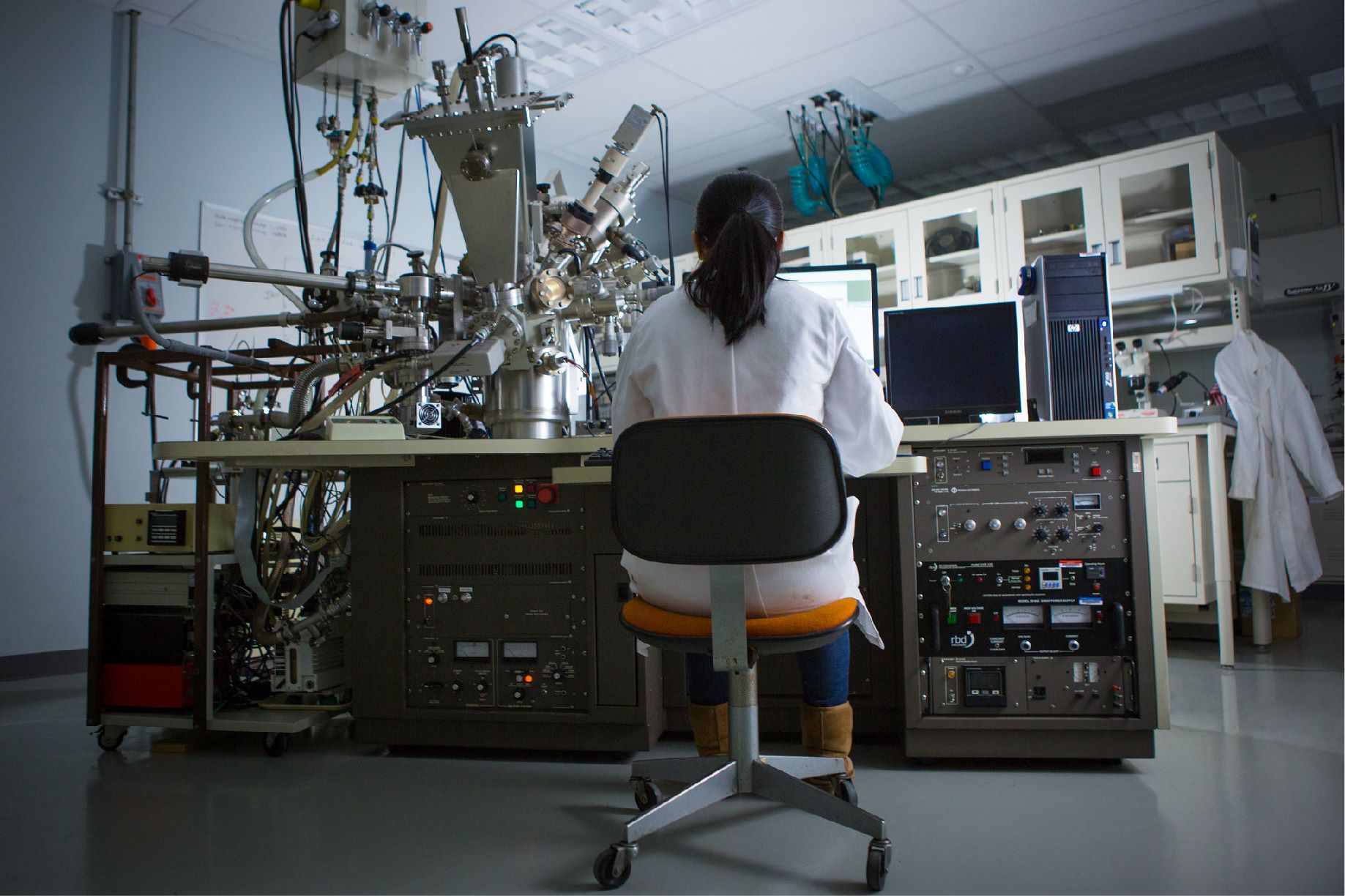
The goal of this project is to develop an advanced autonomous control architecture and imaging and optimization sensor information for The Ohio State University (OSU) chemical looping processes. To automate these dynamic, nonlinear systems, a hybrid controller consisting of decision making and controller-selection logic (high level controller; HLC) integrated with sliding-mode controllers (SMCs) will be used to develop a distributed intelligence automation scheme for the chemical looping process startup and shutdown.
The intelligent process automation controller and optimization software will be tested in OSU’s existing sub-pilot chemical looping test unit for Phase I, and ultimately integrated with the pressurized syngas chemical looping (SCL) pilot test unit constructed at the National Carbon Capture Center (NCCC) for Phase II. Additionally, electrical capacitance volume tomography (ECVT) sensor software will be developed to image a packed moving bed of oxygen carriers at the operating temperatures of the reducer reactor. The successful development of the imaging sensor software will be tested and verified in an existing bench-test apparatus and incorporated into the chemical looping sub-pilot test unit for Phase I.
Principal Investigator
Andrew Tong
tong.48@osu.edu
Project Benefits
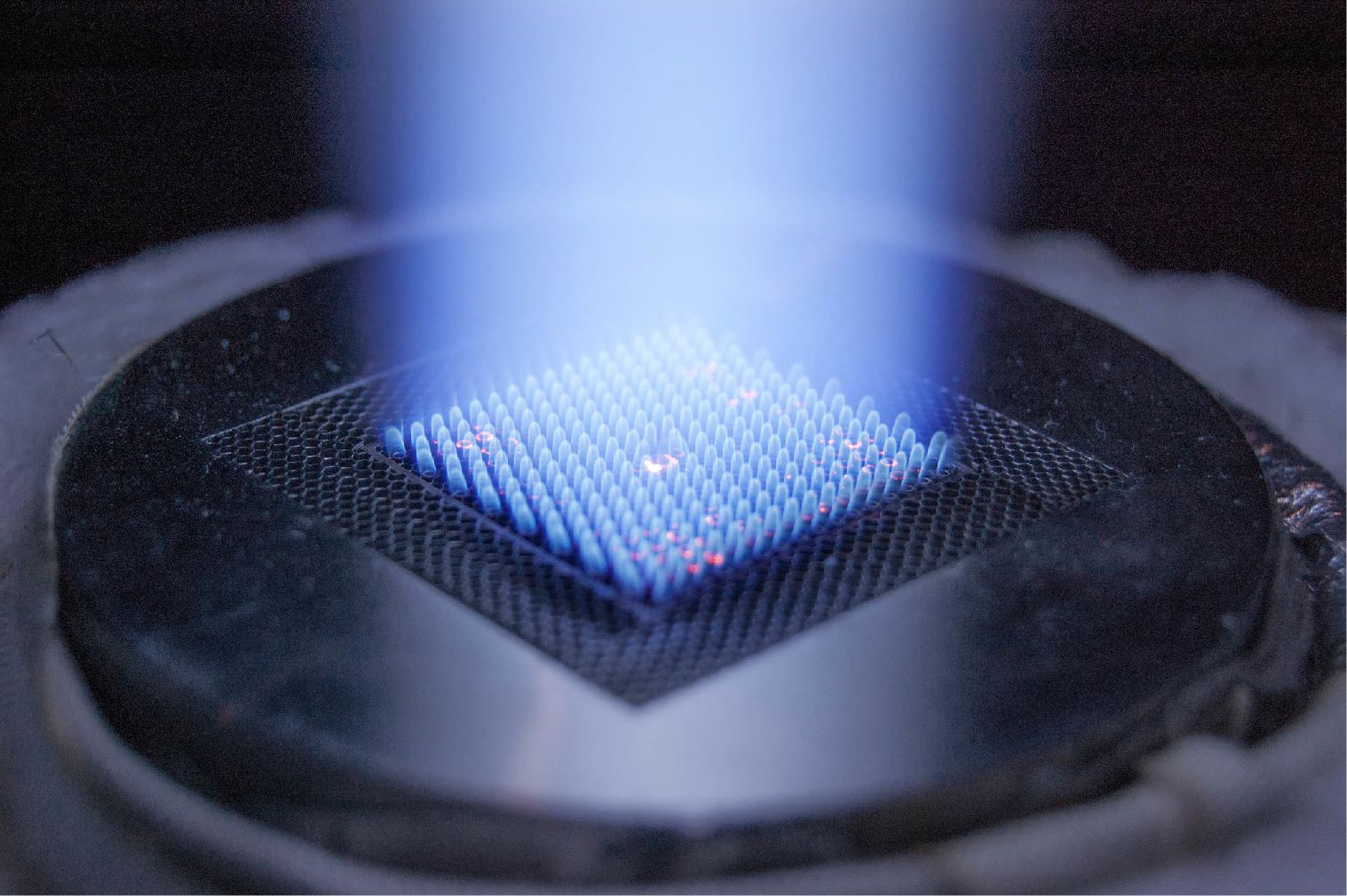
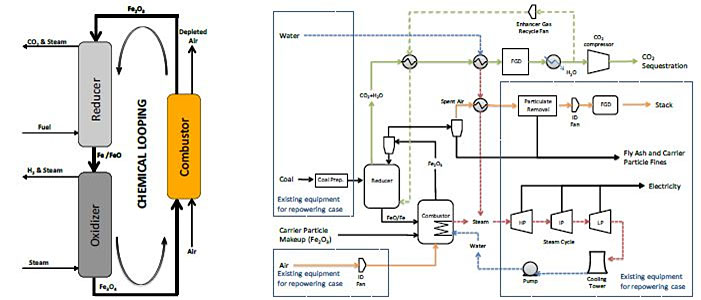
Chemical looping is considered a near-term technology with the potential to simplify CO2 capture both efficiently and economically for power and chemical plant applications. The OSU coal direct chemical looping (CDCL) and SCL processes represent advanced energy systems for the conversion of solid and gaseous fuels, respectively, to H2 and heat with in-situ CO2 capture. The success of the proposed project will increase the operational reliability and efficiency of the chemical looping technologies. The work is scalable for larger demonstration units and will impact both the CDCL and SCL processes as the control scheme and sensor measurements used on both systems are nearly identical. Therefore, the developed automation concept and process optimization and imaging software for the SCL process can be directly applied to the CDCL system.
Website
Ohio State University
https://www.osu.edu/