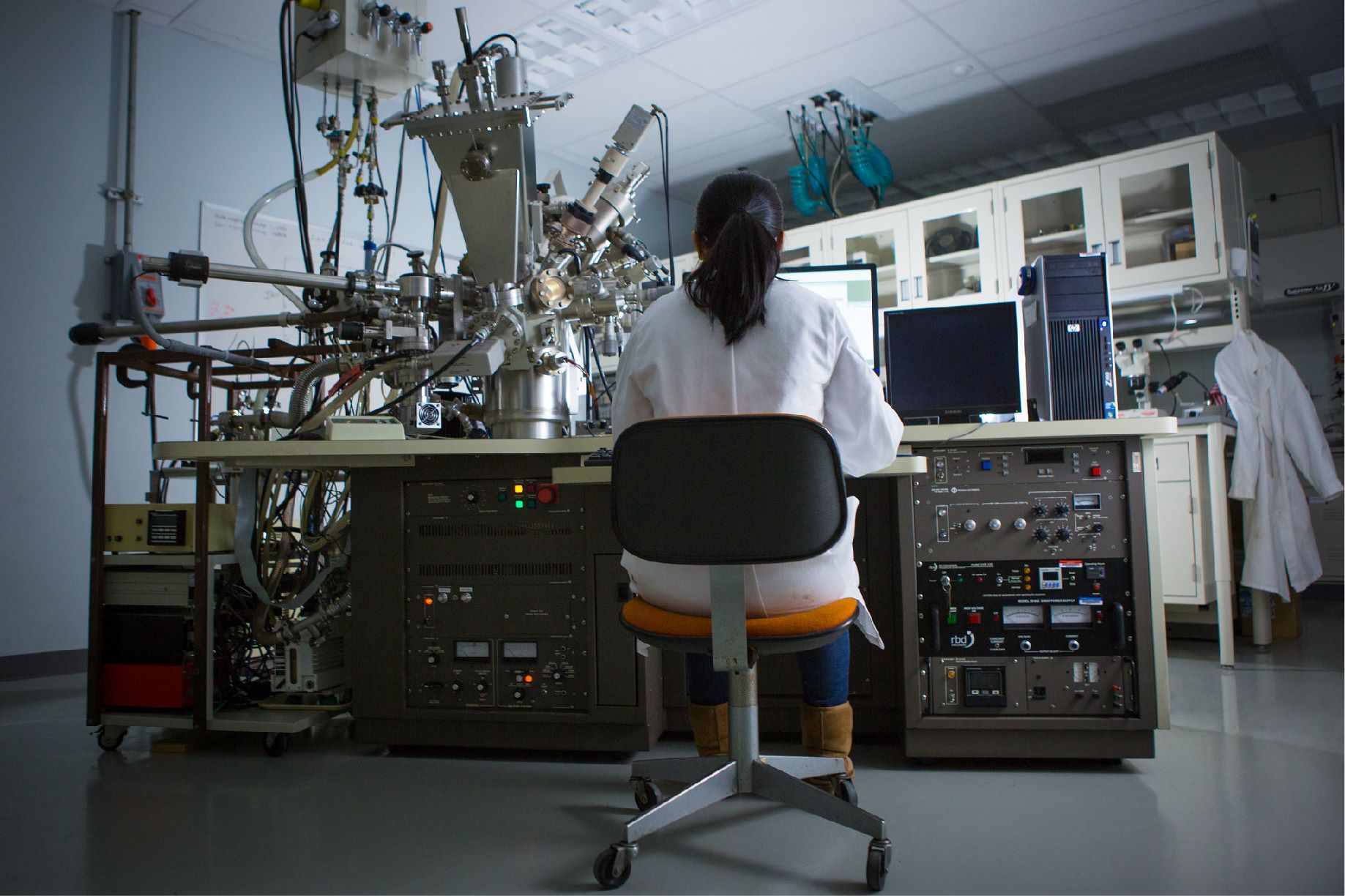
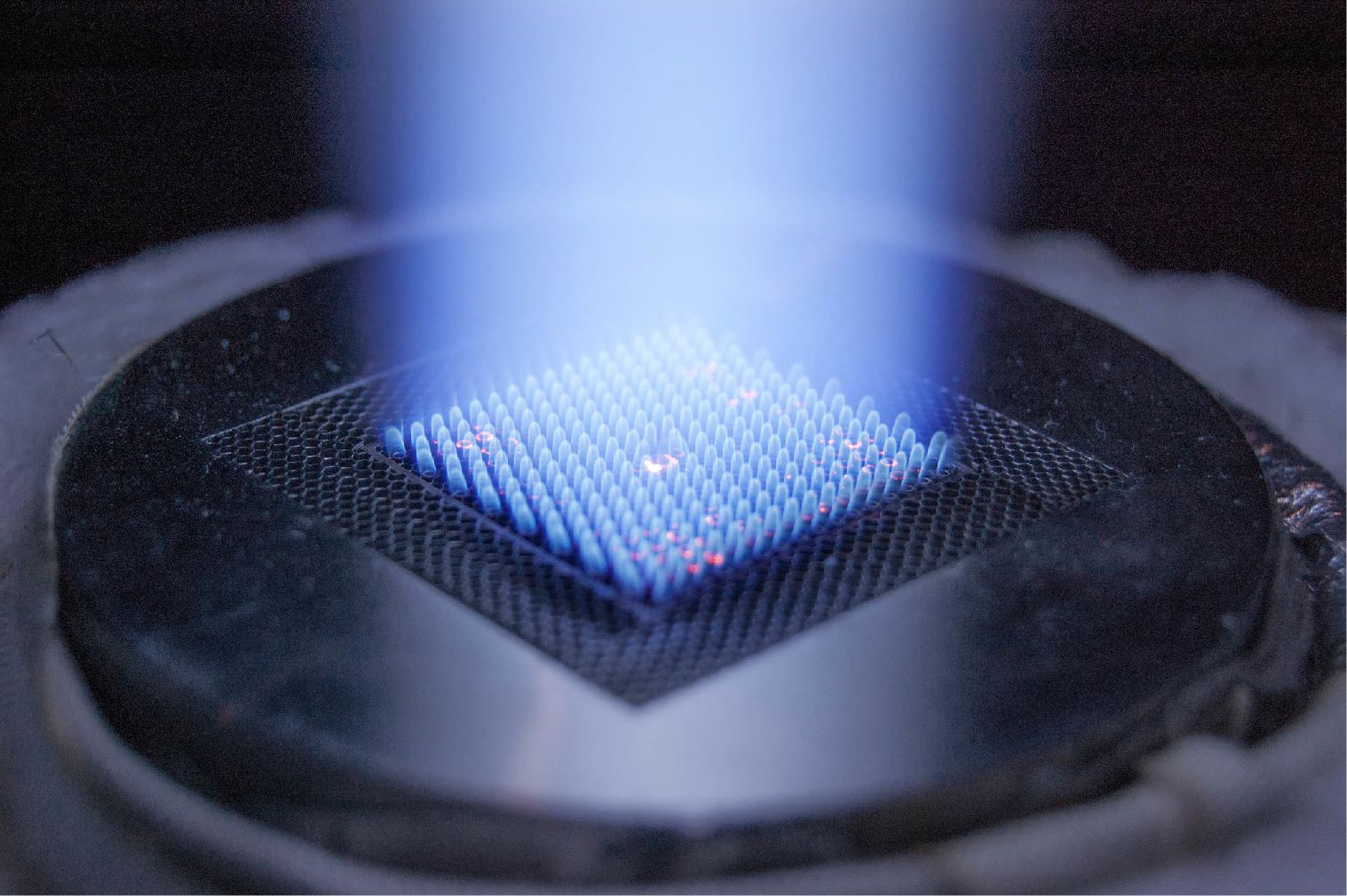
The University of Central Florida (UCF), with support from Stanford University and Embry-Riddle Aeronautical University, will develop and validate a combustion chemical kinetic mechanism for supercritical carbon dioxide (SCO2) oxy-combustion that can be used for computational fluid dynamics (CFD) simulations in oxy-combustion development. This model will be validated via experiments conducted in CO2diluted methane/syngas mixtures and at pressures up to 300 bar. Researchers will use shock tube and laser diagnostics to make detailed measurements of ignition times and species concentrations in non-reacting and reacting methane/syngas mixtures in CO2 dilutions covering a wide range of pressures up to 300 bar. The model will then be implemented in an open source CFD code and disseminated to industry.
Principal Investigator
Subith Vasu
subith@ucf.edu
Project Benefits
Advanced SCO2 power cycles offer many potential advantages, including high thermal efficiency, low capital cost, and 99 percent CO2 capture. The UCF team’s development of an accurate chemical kinetic model and CFD code capable of predicting the environment within a SCO2 combustor could greatly improve the designs of SCO2 power cycles. The fundamental and open source nature of the project will benefit a broader scientific and industry audience that will utilize the outcomes of this project to advance SCO2 oxy-combustion development.
Website
University of Central Florida
http://www.ucf.edu/