
 Share
Share Contact
Oil became a cornerstone of modern energy systems through innovations in drilling, refining and transportation, and ultimately revolutionized industries with the advent of the internal combustion engine. Technology and distribution limited early uses of oil, as it was used for lighting, waterproofing, lubrication and even medicinal purposes. The advent of refining techniques in the 19th century expanded oil’s potential significantly as a fuel and industrial resource. The rise of the automobile industry in the early 20th century solidified oil as a global commodity that also fueled industrial growth and transformed global energy consumption patterns.
1859
First Commercial Oil Well
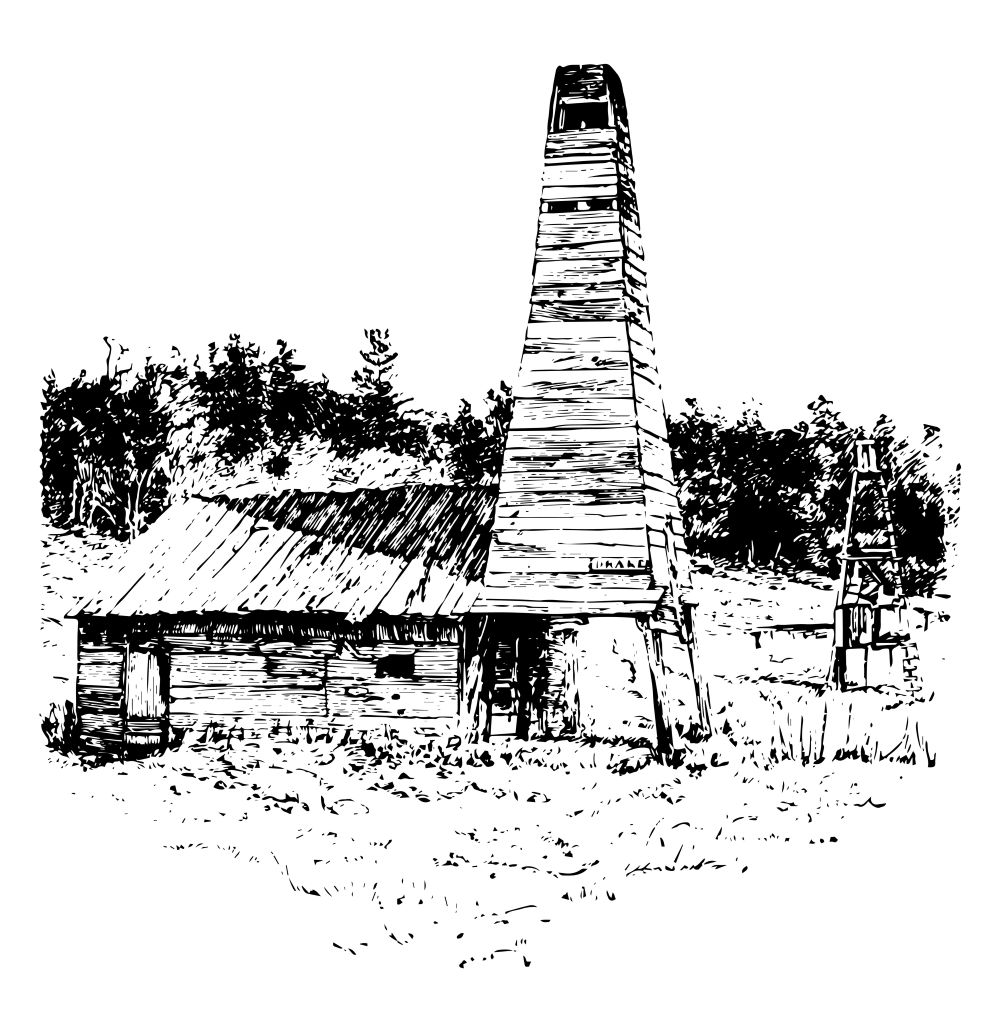
Edwin Drake drilled the first commercially successful oil well in Titusville, Pennsylvania. The invention of the oil refinery in the 1850s allowed for the separation of crude oil into valuable products like gasoline and diesel.
1865
Introduction of Kerosene
Kerosene, derived from oil, became a widely used source of lighting, replacing whale oil and spurring demand for petroleum products.
1901
Spindletop Gusher
The discovery of oil at Spindletop, Texas, produced a massive gusher and launched the Texas oil boom, which transformed the United States into a major oil producer.
1918
Bartlesville Energy Technology Center
Petroleum R&D began in Bartlesville, Oklahoma, as many started to fear a shortage of oil and what that would do to the American economy. In 1975, the Bartlesville facility came under the control of the Energy Research and Development Administration (ERDA), which later became DOE. Under the ERDA, Bartlesville continued to provide crucial oil research until the facility closed in 1998.
1920s
Oil Boom in California
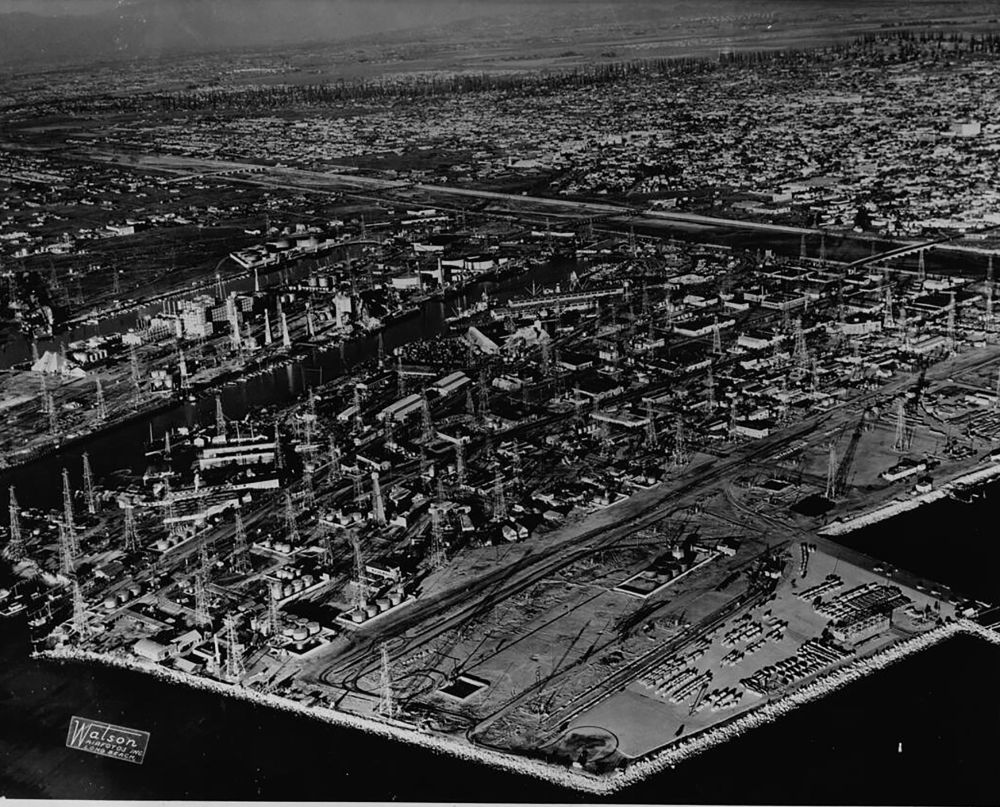
Between 1903 and 1936, California was the top U.S. oil producer. During the 1920s oil boom, the state produced more than 260 million barrels per year. Oil derricks covered the highly productive oil well beneath Signal Hill and Long Beach, California.
1922
Laramie, Wyoming, Petroleum Experiment Station
To help with the workload of extracting more oil, the Bureau of Mines established the Laramie Station, which was soon and was soon recognized as Bartlesville’s “sister station.”
1938
First Offshore Oil Well
Oil drilling expanded offshore, with the first successful well off the coast of Louisiana signaling a new frontier in oil extraction.
1968
Oil Discovered on the North Slope in Alaska
In 1968, oil was discovered in Prudhoe Bay on the North Slope in Alaska. Two years later, the Alyeska Pipeline Service Company planned for the Trans-Alaska Pipeline, which was constructed between 1975 and 1977. By June 1977, the 800-mile-long pipeline was transporting oil.
1973–1981
The Oil Crisis and the Emergency Petroleum Allocation Act
The Organization of the Petroleum Exporting Countries (OPEC) oil embargo caused global shortages and highlighted oil’s critical role in the modern economy, prompting advancements in energy diversification and efficiency. In response, the Emergency Petroleum Allocation Act of 1973 required regulations to allocate and control the price of petroleum products. The regulations were not withdrawn until President Reagan signed Executive Order 12287 in January 1981.
2010s
DOE Supports Oil Analytics, Risk Mitigation and Environmental Impact Reduction
An effort involving multiple national labs provided quick analysis to guide key decisions that helped speed the solution and reduce the environmental impact of oil-related disasters, such as Deepwater Horizon. Federal researchers continue to build tools and techniques to mitigate risks and optimize oil and gas resources.
Today
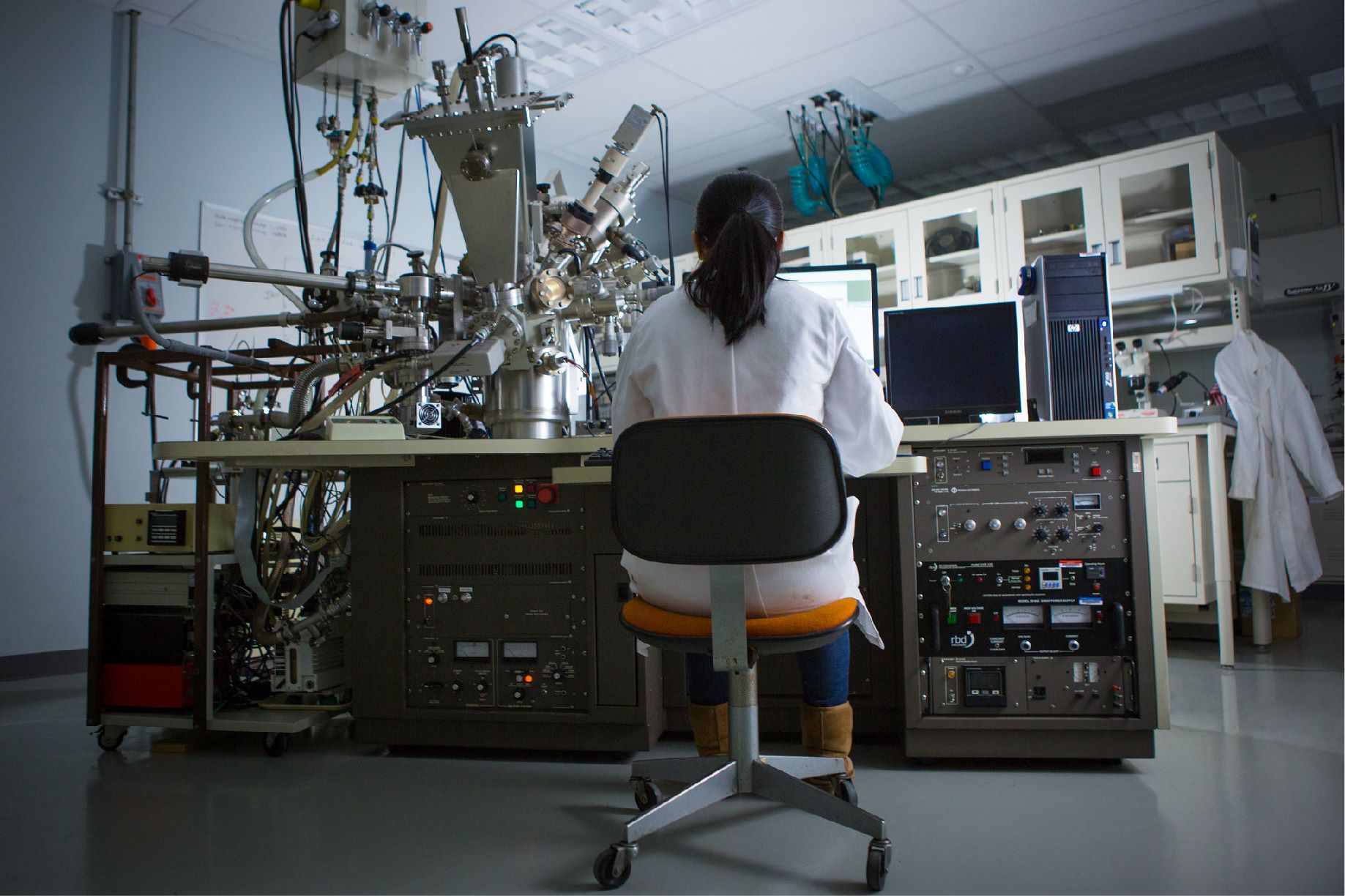
Today, DOE is advancing oil-related R&D by focusing on innovations to maximize resource recovery, minimize environmental impacts and improve efficiency in extraction processes. Current efforts include enhanced oil recovery techniques, offshore drilling technologies and advanced modeling tools to optimize unconventional oil resource production, ensuring a reliable and affordable energy future.