 Download Factsheet
 Share
 Contact
Advanced Energy Materials
Providing Innovative, Cost-Effective Materials Solutions To Enable Affordable, Reliable and Secure Energy Technologies
The Advanced Energy Materials program focuses on unleashing domestic energy production and use by improving high-temperature power generation technologies, particularly advanced turbines for efficient and low-cost electricity generation from domestic natural gas (NG). While past innovations like advanced welding, ceramic matrix composites/environmental barrier coatings, and the advanced-ultrasupercritical program have aided cycling power plants, current materials and methods still require improvement in durability, operational flexibility and longevity when used in extreme conditions.
Research challenges in advanced energy materials include:
- Understanding materials performance in high-temperature, high-pressure and corrosive fossil energy environments.
- Limitations in predicting long-term structural and chemical stability in realistic high-temperature, harsh environments due to the lack of specialized, high-fidelity testing capabilities.
- Limitations in scaling advanced processing techniques and critical fidelity gaps in computational models required to predict high-performance material durability under severe operating conditions.
- Reducing new material development time and cost.
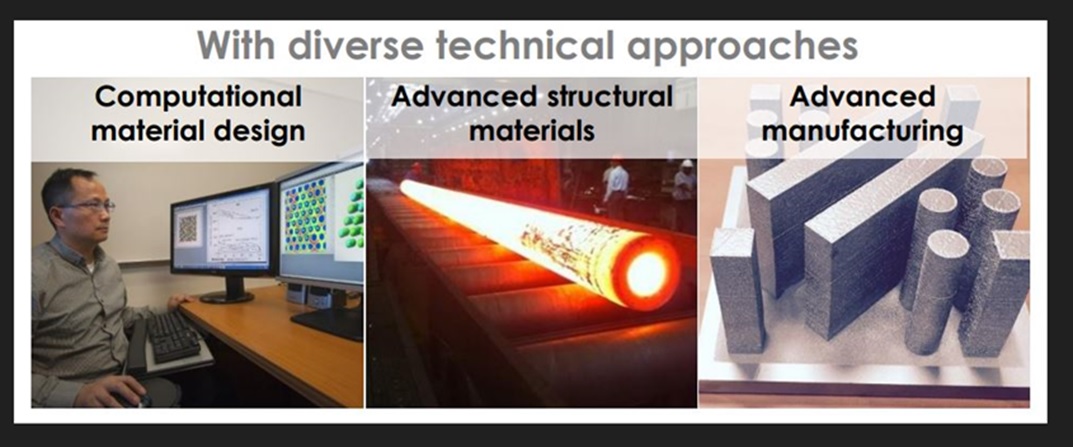
Efforts within the Advanced Energy Materials program focus on:
- Refining advanced materials and optimizing manufacturing processes for demanding environments, with a focus on durability, reliability, and cost-effectiveness.
- Developing ceramic matrix composites and compatible environmental barrier coatings to allow higher turbine operating temperatures.
- Developing more robust joining and welding techniques.
- Developing computational tools within HC-MAT (formerly eXtremeMAT) to predict the impact of microstructure and alloy chemistry on creep behavior, enabling precise lifespan estimation and enhanced system reliability.
- Developing a robust domestic materials supply chain that includes good-paying jobs for the American workforce.
- Developing low-cost, high-performance alloys to increase domestic energy use and production.
- Leveraging national laboratory supercomputing capabilities and scientific expertise to accelerate industrial discovery, design, and deployment of advanced materials for energy technologies under the DOE’s High-Performance Computing for Materials (HPC4Mtls) program.
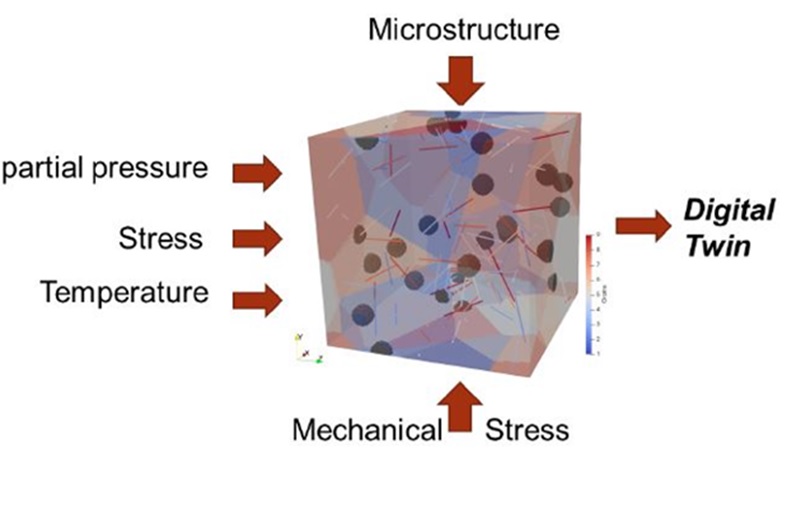
Computational tools developed under HC-MAT successfully correlate alloy chemistry and microstructure with creep performance, enabling accurate forecasting of component lifespans and enhancing plant reliability. Building on this capability, alloy development priorities will shift toward refining, optimizing, and qualifying mature high-performance alloys to meet the demanding operational envelopes of advanced power systems.
In parallel, the program will deliver on-demand technical assistance to resolve critical materials barriers hindering the maturation and commercialization of advanced energy technologies. This targeted support will prioritize natural gas-based systems critical for both baseload and peaking operations, directly benefiting regional power grids, high-demand data centers, wellhead power generation, and integrated energy conversion networks.
Research Areas
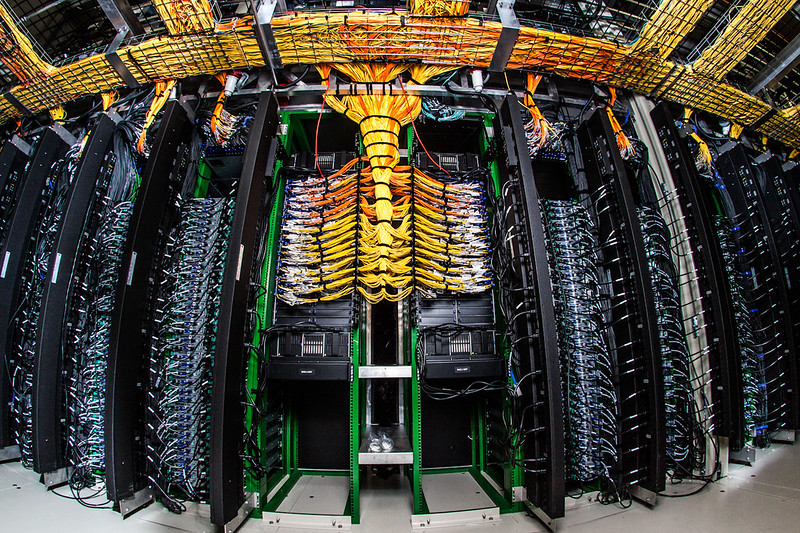
Computational Materials Design
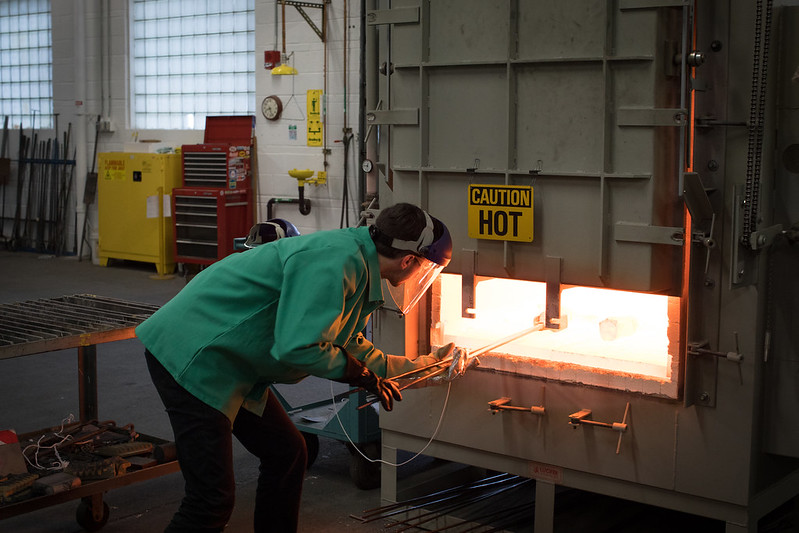
High Temperature Material Supply Chain

Advanced Manufacturing

The eXtremeMAT project addresses materials challenges by harnessing the unparalleled computational and experimental materials science expertise and capabilities within the DOE national laboratory system, into an integrated team aimed at improving heat-resistant alloys.


DOE Fossil Energy supports the High-Performance Computing for Materials (HPC4Mtls) program as part of DOE’s High-Performance Computing for Energy Innovation Program. HPC4Mtls accelerates industry discovery, design and development of materials in energy technologies by enabling access to computational capabilities and expertise in the DOE laboratories.

NETL researchers develop and maintain the Energy Data eXchange (EDX) to support private collaboration for ongoing research efforts, and technology transfer of finalized DOE and NETL research products. EDX offers a secure environment for multiorganizational research teams to share, build and collaborate online tools, data and information.
NETL’s Systems Energy Analysis group conducts a variety of energy analyses to identify and evaluate promising R&D opportunities.