
 Share
 Contact
Delivers technologies and solutions to enable 24/7 dispatchable advanced energy systems that provide both low-cost baseload power and resilient flexible energy system services, as well as improve the flexibilities of domestic refineries to better utilize a broader base of domestic feedstocks with higher efficiency and lower cost.
The U.S. Department of Energy/National Energy Technology Laboratory’s (DOE/NETL) Power, Fuels, and Chemicals Program, operating under the Office of Oil and Gas, plays a crucial role in advancing the domestic hydrocarbon production. The program's core mission involves comprehensive research and development (R&D) to ensure the availability of affordable, reliable, and secure fossil energy resources across all operational stages: upstream (exploration and production), midstream (processing and transport), and downstream (refining and distribution). This strategic focus is to grow fuel production for domestic use and export and increase power production while contributing to a competitive US economic position and resilient energy infrastructure.
Power
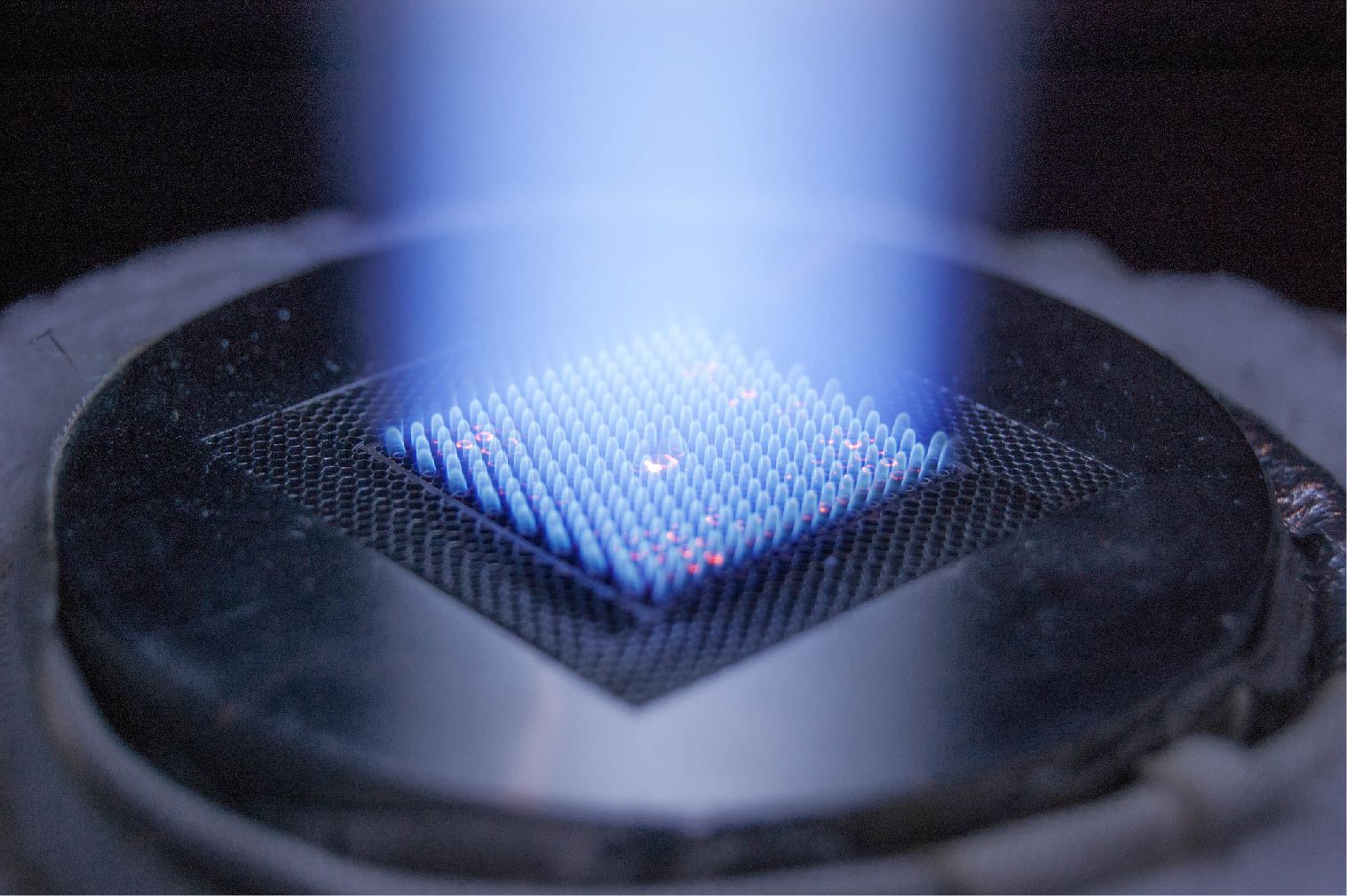
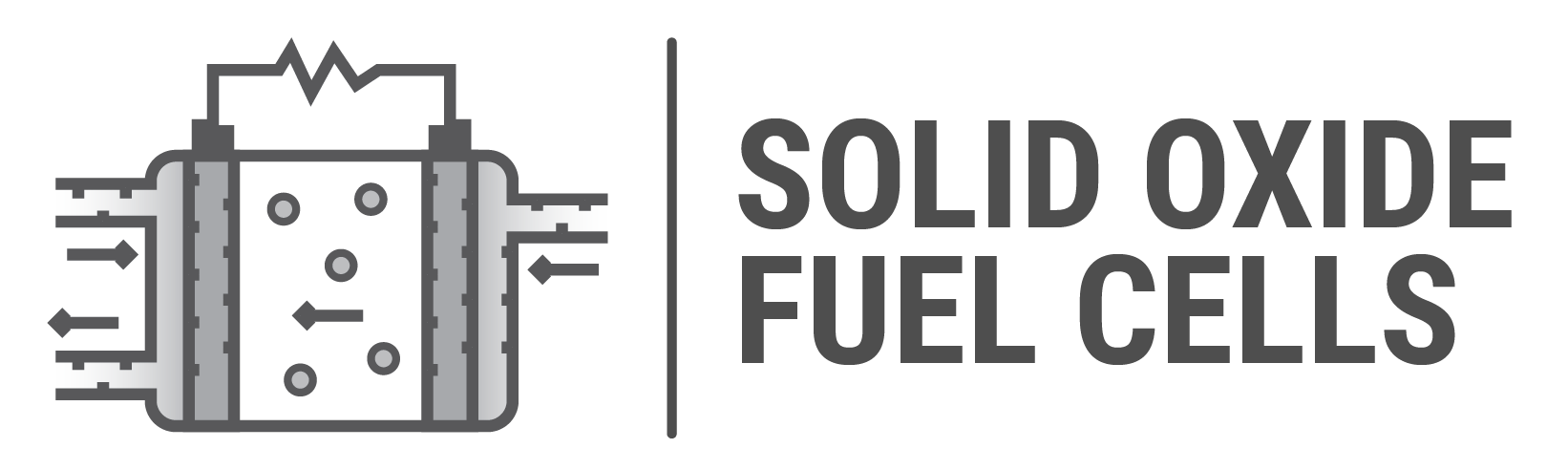
The Power program integrates several key subprograms: Advanced Turbines, Advanced Energy Materials, and Solid Oxide Fuel Cells (SOFC). Through these subprograms, the program actively develops technologies to accelerate the market deployment of advanced, high-efficiency, and flexible energy technologies. This initiative is particularly relevant given the anticipated increase in demand for power generation from rapidly expanding sectors such as data centers and high-tech manufacturing. Specific areas of R&D within the program include natural gas turbines with embedded SOFC and pressure gain combustion, which are identified as key pathways to significantly enhance flexible power output at high efficiencies. In parallel, the program supports R&D for the creation of novel materials capable of withstanding extremely high temperatures and corrosive environments, which are essential for advanced energy systems. Materials which can extend the life and increase the power output of cycling fossil power plants are emphasized. To further optimize these efforts, the program leverages the DOE’s advanced high-performance computing and Super Intelligence (SI) capabilities for the design of advanced alloys and for overall cost reduction.



Fuels
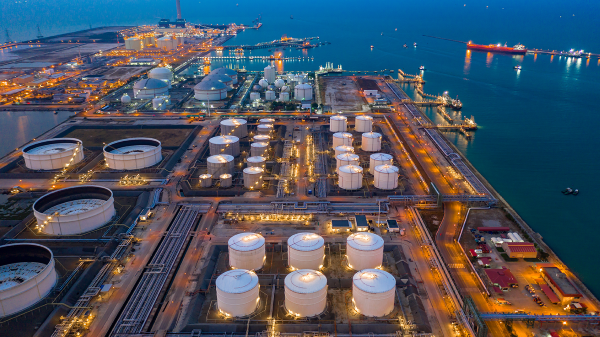
The Fuels program is focused on enhancing the flexibility and efficiency of domestic refining and processing operations. A primary goal is to enable U.S. refineries to better utilize a broader range of domestic feedstocks, including lighter unconventional oils and renewable sources, while lowering operational costs and environmental impact. The program supports research and development into advanced refining capabilities, concentrating on materials and process innovations that can handle diverse and challenging feedstocks. By developing next-generation catalysts, advanced separation technologies, and improved process control systems, this initiative aims to increase the yield of high-value fuels, reduce energy consumption within the refinery, and ensure the U.S. fuel sector remains competitive and resilient.
Chemicals
The Chemicals program seeks to transform domestic hydrocarbon resources into high-value chemicals and products, creating new revenue streams and strengthening the U.S. manufacturing base. This effort focuses on developing innovative pathways to convert natural gas, natural gas liquids (NGLs), and other hydrocarbon streams into essential chemical building blocks. Key research areas include modular and distributed chemical production technologies, which could enable smaller-scale, more flexible operations closer to the resource source. By pioneering advanced catalytic processes and integrated system designs, the program aims to increase the efficiency and economic viability of producing valuable chemicals, reducing reliance on traditional, large-scale chemical plants and fostering a more diversified and robust chemical industry.