Business

Business
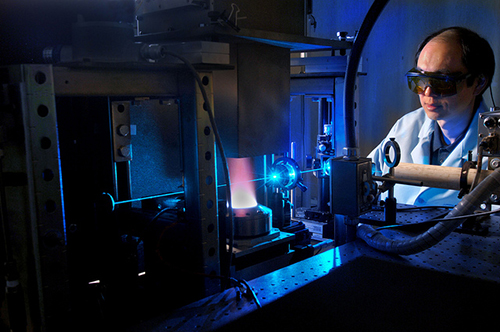 Advanced combustion power generation combusts fossil fuels in a high-oxygen (O2) concentration environment rather than air. This eliminates most, if not all, of the nitrogen (N2) found in air from the combustion process, resulting in flue gas composed of CO2, water (H2O), contaminants from the fuel (including coal ash), and other gases that infiltrated the combustion system. The high concentration of CO2 (≈70 percent) and absence of nitrogen simplify separation of CO2 from the flue gas for storage or beneficial use. Thus, oxygen-fired combustion is an alternative approach to post-combustion capture for carbon capture and storage (CCS) for coal-fired systems. However, the appeal of oxygen-fired combustion is tempered by several challenges, namely capital cost, energy consumption, operational challenges of supplying O2 to the combustion system, air infiltration that dilutes the flue gas with N2, and excess O2 that must be removed from the concentrated CO2 stream. These factors mean oxygen-fired combustion systems are not affordable at their current level
of development. Advanced combustion system performance can be improved by two means:
The Advanced Combustion Systems Program targets both of these possible improvements through sponsored cost-shared research into three key technologies:
NETL is funding projects within each of the above-mentioned approaches. These R&D efforts are being performed both externally by industry, research organizations, and academic institutions, and internally through NETL’s Research & Innovation Center.